A Legacy of Sport.
A Future of Community.
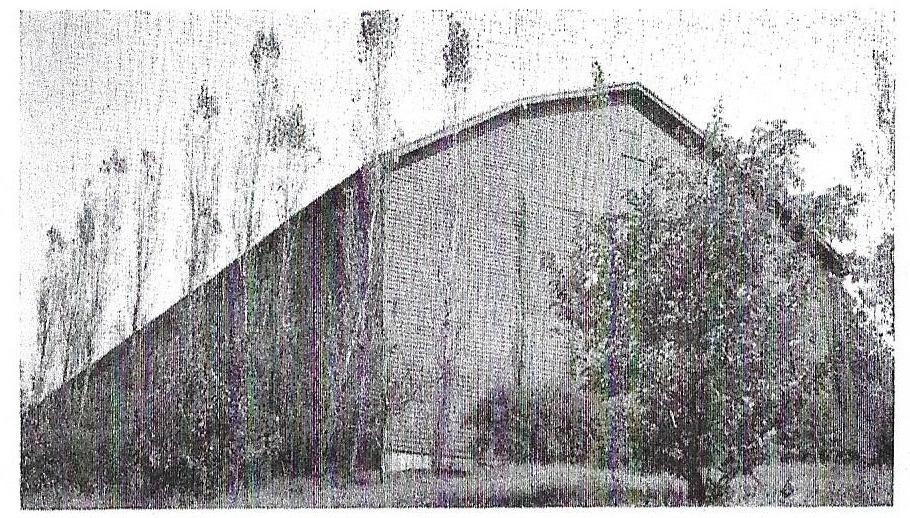
In 1924, S. H. McVitty built the first indoor tennis court in the Roanoke Valley, right here at Ridgewood. A century later, the court is still in play, and The Terrace is its next chapter.
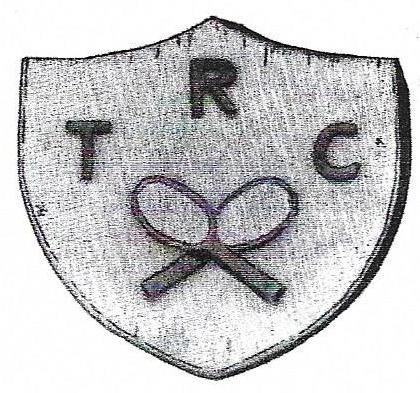
The original Ridgewood Tennis Club cabin, crest and all.
Our History
1916Ridgewood Farms
Construction begins on the main house at Ridgewood, an 83-acre farm on Cave Spring Road.
1924A Court Indoors
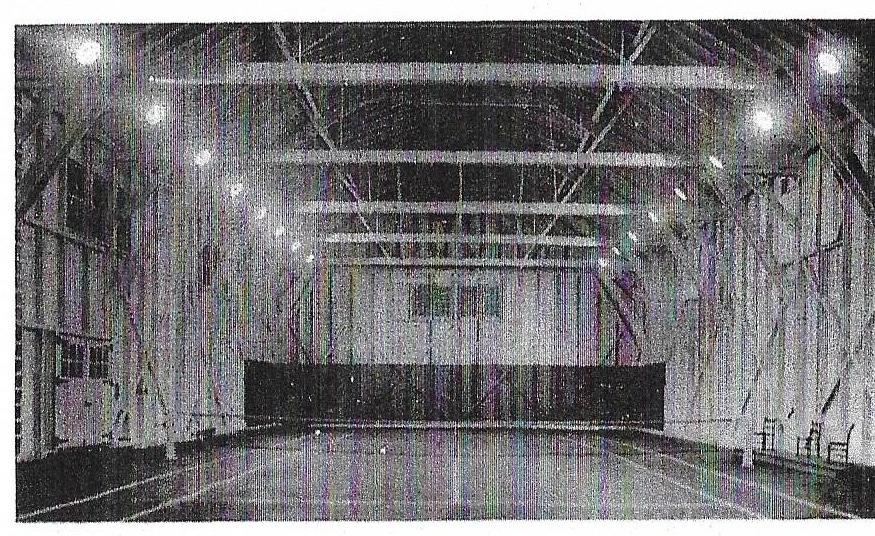
McVitty builds the Roanoke Valley’s first indoor tennis court, believed at the time to be the only one in Virginia.
1960A Club of 103
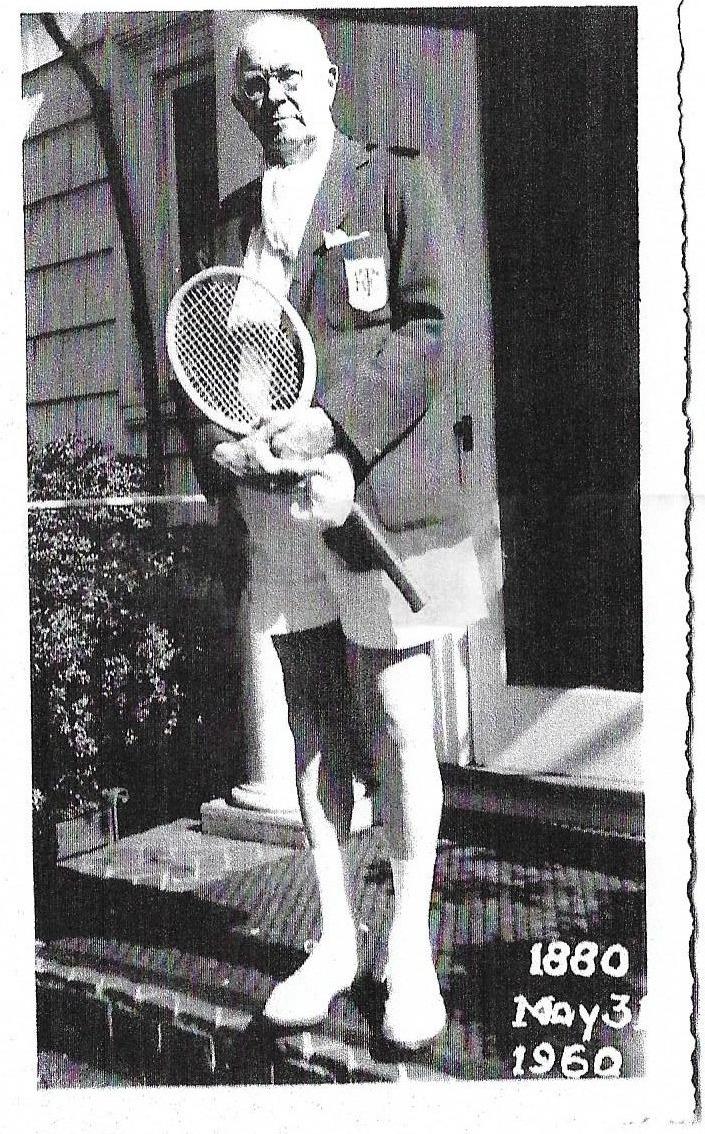
Members celebrate McVitty’s 80th birthday, and he is still on the court. The club grows to 103 players.
TodayA New Chapter
The Terrace restores Ridgewood’s courts for year-round tennis and pickleball, and invites a new generation to play.
Built From Plans Passed Between Friends
S. H. McVitty learned tennis as a boy on the grass courts of the Merion Cricket Club in Haverford, Pennsylvania. When he settled at Ridgewood, he wanted a court he could play on in any weather.
The plans came from a friend, Edgar Palmer of Rye, New York, who had built an indoor court of his own. Palmer had received his plans from Howard Gould, who built one on Jekyll Island. In 1924, the design came to Salem.
The lumber was shipped from Laurel, Mississippi, and the building was raised by Ridgewood’s own farm crew under superintendent Mr. Henry. It sits on the only level ground on the property. The crew simply removed the sod and leveled the natural clay underneath. Inside: a 60 by 120 foot court, a 22-foot ceiling, ten 1,000-watt lights, and boundary tapes of lead painted white. It cost $8,000, not counting the labor.
McVitty never claimed it was grand. In his own words, it was “adequate for those who are attached to the game for its own sake.”
The People Who Kept It
Clifton Grubb

Jesse Grubb

John O. Henry

Letcher Joiner

Bobby Logan
Jimmy Logan

S. H. McVitty
Beau
A clay court doesn’t keep itself. Every morning at 7, Clifton Grubb swept, rolled and watered the court, timed so the clay would be dry and ready by 2 PM. He and his brother Jesse, who joined Ridgewood in 1922 and 1924, kept it in playing condition for nearly four decades.
Mr. Henry, who built the main house and the court, stayed on as superintendent. Letcher Joiner kept the fires going in the cabin and looked after both the indoor and outdoor courts. Bobby and Jimmy Logan, who were born on the farm, worked as ball boys and caddies.
And then there was Beau, the McVittys’ poodle and the court’s most loyal spectator. His head followed the ball from side to side, and every so often he caught a stray one.
From the 1960 Club Rules
- Only Tennis Shoes allowed on court.
- No play until 2 P.M. to let court surface dry, (except Sundays.)
- Register all team play with dates, names and scored in Log Book.
- Each key possessor is responsible for his or her group and locking of cabin and tennis court doors at finish of play.
- During winter months it should be a privilege for players to deposit used tennis balls in boxes for shipment in the spring for use of these Orphanages:
- Boys’ Home (Episcopal)
- Lynchburg Home (Presbyterian)
- Lutheran Home (Salem)
- Baptist Home (Salem)
Community & Connection at The Terrace
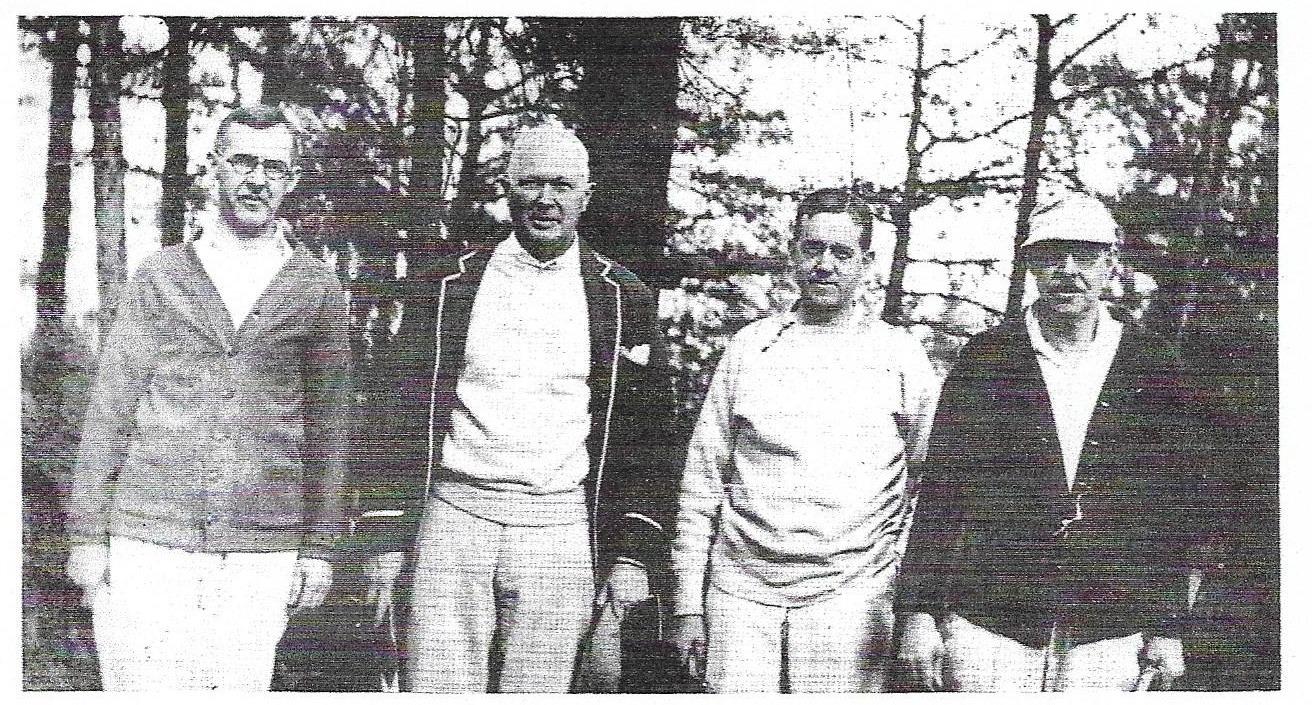
McVitty ran Ridgewood as a club for people who loved the game, with no fees and plenty of play. We’re carrying that forward: a community of players and families who value health, friendship and time well spent on the court.